
Sell House Before Foreclosure: A Homeowner’s First 30-Day Decision Checklist
Finding yourself behind on mortgage payments can feel overwhelming. Whether you’ve experienced a job loss, unexpected medical expenses, divorce, or another major life change, it’s easy to feel like you’re running out of options.
The good news is that missing one payment doesn’t automatically mean you’ll lose your home.
In many cases, homeowners have time to evaluate their options and make thoughtful decisions before foreclosure becomes unavoidable.
If you’re wondering, “Can I sell my house if I’m behind on payments?” the answer is often yes. Understanding your options early can help protect your financial future and reduce unnecessary stress.
This guide walks through the first 30 days after financial hardship begins and highlights the most important decisions to consider.
Week 1: Take a Breath and Assess Your Situation
When financial stress first appears, many homeowners avoid looking at the numbers because they’re worried about what they’ll find.
While that’s understandable, having a clear picture of your finances is one of the most important first steps.
Start by asking yourself:
- How many mortgage payments have been missed?
- Is this a temporary setback or a longer-term financial challenge?
- Have household expenses recently increased?
- Has income decreased due to job loss, illness, or another life event?
- Are there other debts becoming difficult to manage?
Creating a simple monthly budget can quickly show whether catching up on payments is realistic or whether another solution may be needed.
Remember: financial hardship happens to many families. Taking inventory isn’t about assigning blame. It’s about creating a plan.
Contact Your Mortgage Lender Early
One of the biggest mistakes homeowners make is avoiding communication with their lender.
Many lenders have programs designed to help homeowners experiencing temporary hardship, including:
- Payment forbearance
- Loan modifications
- Repayment plans
- Temporary payment reductions
These options aren’t available in every situation, but the sooner you begin the conversation, the more possibilities may exist.
When speaking with your lender, ask:
- What assistance programs are currently available?
- What deadlines should I know about?
- What documentation will be required?
- What happens if my financial situation doesn’t improve?
Keep records of every phone call, email, and letter you receive.

- Understanding your home’s value and remaining mortgage balance can help you estimate how much equity you may have.
Week 2: Understand How Much Equity You Have
Before deciding whether to keep or sell your home, it’s important to understand your equity.
Home equity is the difference between:
Your home’s current market value
minus
What you still owe on your mortgage and other liens.
For example:
- Estimated home value: $350,000
- Mortgage balance: $250,000
Estimated equity:
$100,000
Knowing this number helps you understand what options may be available.
If you have significant equity, selling before foreclosure may allow you to:
- Pay off the mortgage
- Preserve your remaining equity
- Avoid the long-term credit impact of foreclosure
- Start fresh financially
Even if you’re unsure of your home’s value, speaking with a local real estate professional or home-buying company can help you understand where you stand.
Ask Yourself an Important Question
One of the hardest, but most important, questions is:
Is keeping this home financially sustainable?
Many homeowners continue struggling month after month because they hope things will improve.
Sometimes they do.
Sometimes they don’t.
Ask yourself:
- Could I realistically catch up within the next few months?
- Am I continuing to fall further behind?
- Would selling relieve financial pressure?
- Would staying create even greater hardship later?
Every family’s circumstances are different.
Making an informed decision early often creates more choices than waiting until foreclosure is much closer.
Week 3: Consider Whether Selling Makes Sense
If it becomes clear that keeping the home isn’t the best long-term option, selling may provide an opportunity to move forward on your own timeline.
Many homeowners search for answers like:
- Sell my house before foreclosure
- Sell house to avoid foreclosure
- Can I sell my house if I’m behind on payments?
In many situations, the answer is yes.
Selling before foreclosure can often:
- Protect your remaining home equity
- Prevent additional late fees and legal costs
- Reduce long-term damage to your credit
- Allow you to choose your moving timeline instead of having one chosen for you
The earlier you begin exploring a sale, the more flexibility you typically have.
Traditional Listing vs. Selling As-Is
Depending on your timeline and the condition of your home, you may have more than one path available.
A Traditional Listing May Make Sense If:
- You have time before foreclosure deadlines.
- The home is in good condition.
- You can complete repairs or updates.
- You’re comfortable with showings and inspections.
Selling As-Is May Make Sense If:
- Time is limited.
- Repairs are too expensive.
- The home has significant deferred maintenance.
- You want to avoid preparing the house for showings.
- You need greater certainty about closing.
At Jeff Buys Your House, we believe every homeowner deserves to understand all of their options not just the option that benefits us. If a traditional listing is the better fit, we’ll tell you. If selling directly makes more sense, we’ll explain how that process works so you can make the decision that’s right for your family. This reflects our listening-first approach and commitment to helping homeowners find the solution that best fits their needs.
Week 4: Know When to Seek Professional Guidance
Financial challenges often involve more than just a mortgage payment.
Depending on your circumstances, it may be helpful to speak with:
- A HUD-approved housing counselor
- A foreclosure attorney
- A financial advisor
- Your mortgage servicer
- A trusted real estate professional
Seeking advice early doesn’t mean you’ve run out of options.
It means you’re gathering the information needed to make an informed decision.
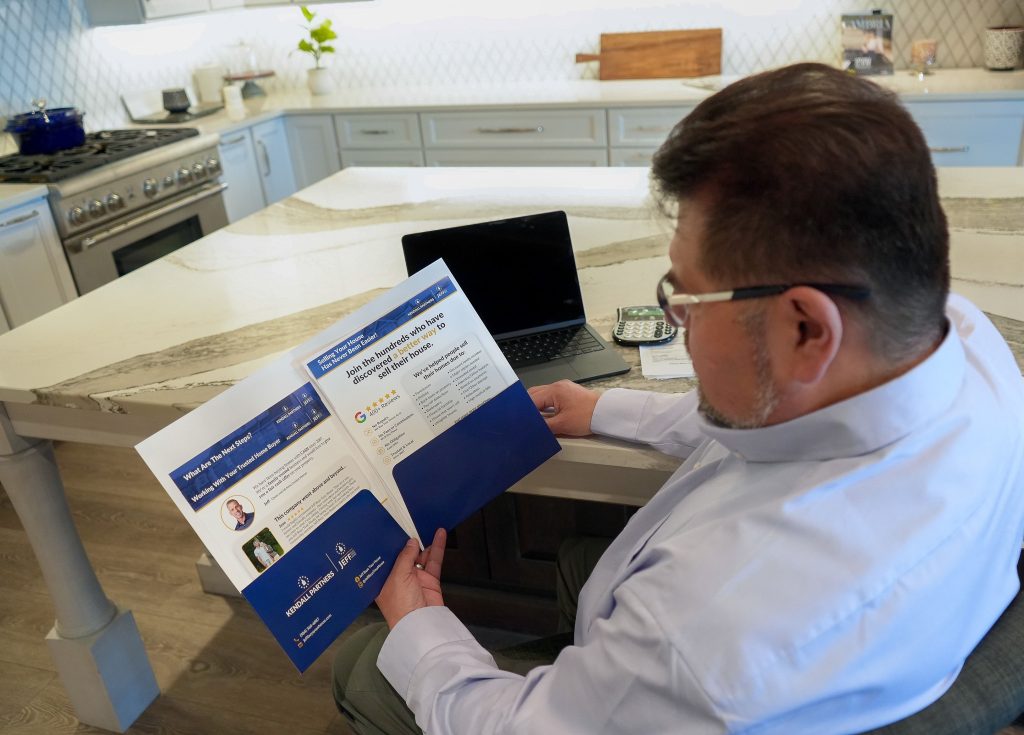
- Exploring your options early can help you make a more informed decision about what comes next.
Common Questions Homeowners Ask
Can I sell my house if I’m behind on mortgage payments?
In many cases, yes. As long as foreclosure hasn’t been completed, homeowners can often sell their home before the foreclosure process ends.
Will selling stop foreclosure?
If the sale closes before foreclosure is finalized and the mortgage is paid off, selling may prevent foreclosure. Every situation is unique, so it’s important to understand your timeline and consult appropriate professionals.
How long does foreclosure take?
Timelines vary based on state laws, lender requirements, and individual circumstances. That’s why acting early is so important.
Should I wait and hope my finances improve?
Only you can answer that question, but waiting often reduces available options. Exploring your choices doesn’t commit you to selling. It simply gives you more information.
You Don’t Have to Navigate This Alone
Financial stress can make every decision feel urgent.
The reality is that many homeowners have more options than they realize especially when they begin exploring those options early.
Whether you ultimately keep your home, work with your lender, list with a real estate agent, or decide selling is the right path, the goal is the same: Make a decision that supports your family’s future.
If you’re looking for guidance, our team is here to listen first. We’ll take the time to understand your timeline, answer your questions, and explain your options without pressure or obligation. That’s the approach we’ve built our reputation on since 2007.
Learn More About Selling During Financial Stress
If you’re experiencing financial hardship and want to better understand your options, visit our resource below:
Whether you’re simply gathering information or ready to explore selling your home, we’re here when you’re ready.